 ไทย
ไทย  English
Longevity Is About Living Better, Not Just Longer
Longevity for seniors is no longer just about adding more years to life—it is about adding more healthy, meaningful years. As medical advancements help people live longer, the real challenge becomes how to age well after 60, maintain independence, and enjoy daily life with physical strength, mental clarity, and emotional balance.
Table of Contents
Research consistently shows that longevity is influenced by a combination of lifestyle factors rather than genetics alone. Nutrition, movement, mental wellness, and social connection play a powerful role in determining how we age. For seniors and their families, understanding these pillars of longevity is the first step toward building a healthier future.
This article explores evidence-based strategies that support longevity for seniors, focusing on practical, everyday habits that can be adapted at home and supported by caregivers when needed.
Understanding Longevity for Seniors
Longevity for seniors refers to more than lifespan—it emphasizes healthspan, or the number of years lived without serious illness or disability. Many adults over 60 live longer than previous generations, but chronic conditions such as heart disease, diabetes, arthritis, and cognitive decline can limit quality of life if not properly managed.
Key factors that influence longevity include:
- Daily lifestyle choices
- Preventive healthcare
- Emotional well-being
- Strong social relationships
While aging is inevitable, how we age is largely within our control. Small, consistent changes can significantly reduce the risk of chronic disease and functional decline.
Nutrition: Fueling the Body for Long-Term Health
Why Nutrition Matters After 60
As the body ages, metabolism slows, muscle mass decreases, and nutrient absorption becomes less efficient. This makes proper nutrition essential for longevity for seniors. A balanced diet supports immune function, brain health, bone strength, and energy levels.
Key Nutritional Principles for Longevity
Focus on Whole, Nutrient-Dense Foods
- Vegetables and fruits rich in antioxidants
- Whole grains for digestive and heart health
- Lean proteins to preserve muscle mass
- Healthy fats for brain and cardiovascular health
Prioritize Protein Intake
Protein helps prevent sarcopenia (age-related muscle loss). Seniors should aim for adequate protein throughout the day rather than consuming it all in one meal.
Good sources include:
- Fish and seafood
- Eggs
- Beans and lentils
- Tofu and dairy products
Reduce Inflammatory Foods
Excess sugar, processed foods, and refined carbohydrates can increase inflammation and accelerate aging. Limiting these foods supports long-term health and disease prevention.
Physical Activity: Movement as the Foundation of Longevity
Why Staying Active Extends Life
Regular physical activity is one of the strongest predictors of longevity for seniors. Exercise improves circulation, strengthens muscles and bones, enhances balance, and reduces the risk of falls—one of the leading causes of injury in older adults.
Types of Exercise That Support Longevity
Strength Training
Maintains muscle mass and supports joint stability. Simple resistance exercises using body weight or light weights can be effective.
Balance and Flexibility
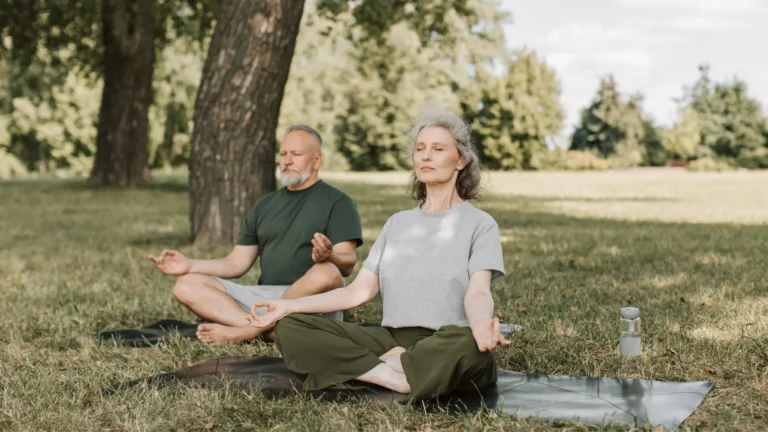
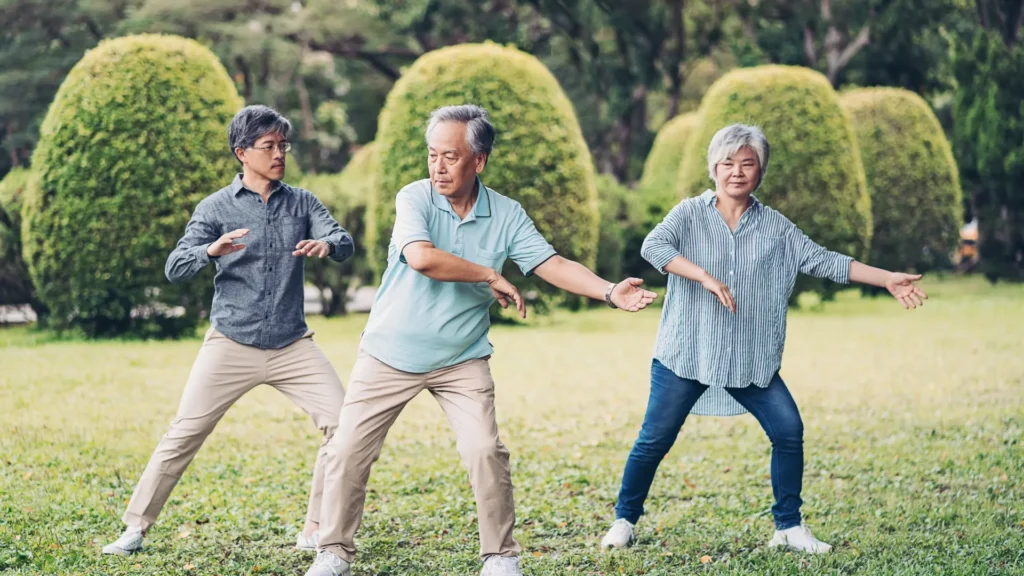
Activities such as stretching, yoga, or tai chi help reduce fall risk and improve mobility.
Aerobic Activity
Walking, swimming, or cycling improves heart and lung health. Even moderate activity performed consistently offers significant benefits.
Making Movement Sustainable
Longevity is supported by consistency rather than intensity. Short daily walks or gentle home-based exercises are often more sustainable than occasional intense workouts.
Mental Wellness: Protecting Cognitive and Emotional Health
The Role of Mental Health in Longevity
Mental wellness for seniors is closely linked to physical health and longevity. Chronic stress, loneliness, and untreated depression can increase inflammation and weaken the immune system, shortening lifespan.
Supporting Cognitive Health
- Engage in mentally stimulating activities such as reading, puzzles, or learning new skills
- Maintain regular sleep routines
- Manage stress through relaxation techniques
Emotional Well-Being Matters
Feeling valued, purposeful, and emotionally supported significantly impacts longevity. Seniors who maintain a positive outlook and emotional resilience often experience better health outcomes.

Social Connection: A Powerful Yet Overlooked Longevity Factor
Why Social Relationships Extend Life
Studies show that social isolation can be as harmful to health as smoking or obesity. Strong social connections reduce the risk of depression, cognitive decline, and premature mortality.
Ways Seniors Can Stay Socially Connected
- Regular interaction with family members
- Participation in community activities
- Maintaining friendships
- Engaging with caregivers who provide companionship, not just physical assistance
For seniors living alone or with limited mobility, structured social interaction becomes even more important.
Preventive Care: Detecting Problems Early
Preventive healthcare plays a vital role in longevity for seniors. Regular health screenings can identify issues before they become serious.
Key preventive measures include:
- Blood pressure and cholesterol checks
- Diabetes screening
- Vision and hearing assessments
- Bone density tests
- Cognitive health evaluations
Early detection allows for timely intervention, helping seniors maintain independence and quality of life.
The Role of Caregivers in Supporting Longevity
As seniors age, daily routines may become more challenging. Caregivers—whether family members or trained professionals—play a crucial role in supporting longevity by:
- Assisting with nutrition and meal preparation
- Encouraging safe physical activity
- Providing emotional support and companionship
- Helping manage medications and appointments
Access to reliable caregiving support can significantly reduce stress for both seniors and families while promoting long-term well-being.
Building a Longevity-Friendly Home Environment
A safe and supportive home environment is essential for healthy aging. Simple adjustments can prevent injuries and support independence.
Consider:
- Removing tripping hazards
- Improving lighting
- Installing grab bars in bathrooms
- Creating accessible living spaces
These changes not only improve safety but also give seniors confidence to remain active and engaged.
Longevity Is a Lifelong Journey
Longevity for seniors is not about perfection—it is about progress. Small, intentional lifestyle changes made consistently can lead to meaningful improvements in health and well-being.
By focusing on nutrition, movement, mental wellness, and social connection, seniors can enjoy longer, healthier, and more fulfilling lives. Families and caregivers play an essential role in supporting this journey by creating environments that encourage independence, dignity, and connection.
Supporting Longevity Starts With Care
Longevity for seniors is built on everyday choices and the right support system. Whether through family involvement, professional caregivers, or trusted home care services, seniors thrive when they feel supported, active, and connected.
Supporting longevity means supporting life every single day.
For Families Looking for Care
Finding the right caregiver doesn’t have to be difficult. CareMatePro helps you connect with trusted caregivers near you, so your loved ones can receive the care they deserve.
Looking for Caregiver in Thailand
For Caregivers Looking for Jobs
If you’re a caregiver seeking new opportunities, create your profile on CareMatePro and connect directly with families in need. Free to join.