Mental Wellness for the Elderly: Preventing Loneliness and Depression
- Understanding Mental Wellness in Older Adults
- Loneliness in the Elderly: A Silent Health Risk
- Why Loneliness Is So Common
- Recognizing Signs of Loneliness
- Depression in Older Adults: Often Missed, Often Untreated
- Why Depression Is Underdiagnosed
- Breaking the Stigma Around Mental Health
- Daily Habits That Support Mental Wellness
- Establishing Meaningful Routines
- The Role of Social Connection in Emotional Well-Being
- Staying Connected Matters
- Family Support: A Cornerstone of Mental Wellness
- Caregivers and Mental Wellness Support
- Beyond Physical Assistance
- When Professional Help Is Needed
- Creating an Emotionally Supportive Environment at Home
- Mental Wellness Is a Shared Responsibility
Mental wellness for the elderly is often overlooked, yet it plays a critical role in overall health, longevity, and quality of life. While physical conditions tend to receive immediate attention, emotional and psychological well-being can quietly decline, especially among older adults facing isolation, loss of independence, or major life changes.
Loneliness and depression are not a normal part of aging, but they are common challenges many seniors experience. Without proper awareness and support, these conditions can affect physical health, increase the risk of chronic illness, and reduce motivation for self-care.
This article explores the importance of mental wellness for the elderly, common risk factors for loneliness and depression, and practical ways families, caregivers, and communities can help older adults feel emotionally supported and connected.
Understanding Mental Wellness in Older Adults
Mental wellness refers to emotional balance, psychological resilience, and the ability to cope with daily life. For older adults, mental well-being is closely tied to independence, social connection, and a sense of purpose.
As people age, they may experience:
- Retirement and loss of routine
- Reduced social interaction
- Physical limitations or chronic illness
- Bereavement or living alone
These changes can increase vulnerability to emotional distress if not properly addressed.
Maintaining mental wellness for the elderly requires intentional support—both internally through healthy coping strategies and externally through relationships and caregiving.
Loneliness in the Elderly: A Silent Health Risk
Why Loneliness Is So Common
Loneliness is one of the most significant threats to mental wellness for the elderly. Even seniors who live with family may feel emotionally isolated if they lack meaningful interaction or a sense of being understood.
Common contributors to loneliness include:
- Living alone or far from family
- Loss of a spouse or close friends
- Limited mobility
- Reduced social roles
Loneliness is not simply being alone. It is the feeling of disconnection. Research shows that chronic loneliness can increase the risk of depression, cognitive decline, heart disease, and even premature mortality.
Recognizing Signs of Loneliness
Signs of loneliness in older adults may include:
- Withdrawal from activities or conversations
- Changes in sleep or appetite
- Lack of motivation
- Increased irritability or sadness
Early recognition is key to preventing deeper emotional distress.
Depression in Older Adults: Often Missed, Often Untreated
Why Depression Is Underdiagnosed
Depression in the elderly is frequently overlooked because symptoms may be mistaken for normal aging or physical illness. Older adults may also hesitate to express emotional pain, believing they should endure it silently.
Common signs of depression include:
- Persistent sadness or hopelessness
- Loss of interest in activities
- Fatigue or low energy
- Difficulty concentrating
- Feelings of worthlessness
Left untreated, depression can significantly affect physical health, medication adherence, and overall quality of life.
Breaking the Stigma Around Mental Health
Supporting mental wellness for the elderly requires open conversations and reducing stigma. Emotional well-being deserves the same attention as physical health, and seeking help should be viewed as a strength—not a weakness.
Daily Habits That Support Mental Wellness
Establishing Meaningful Routines
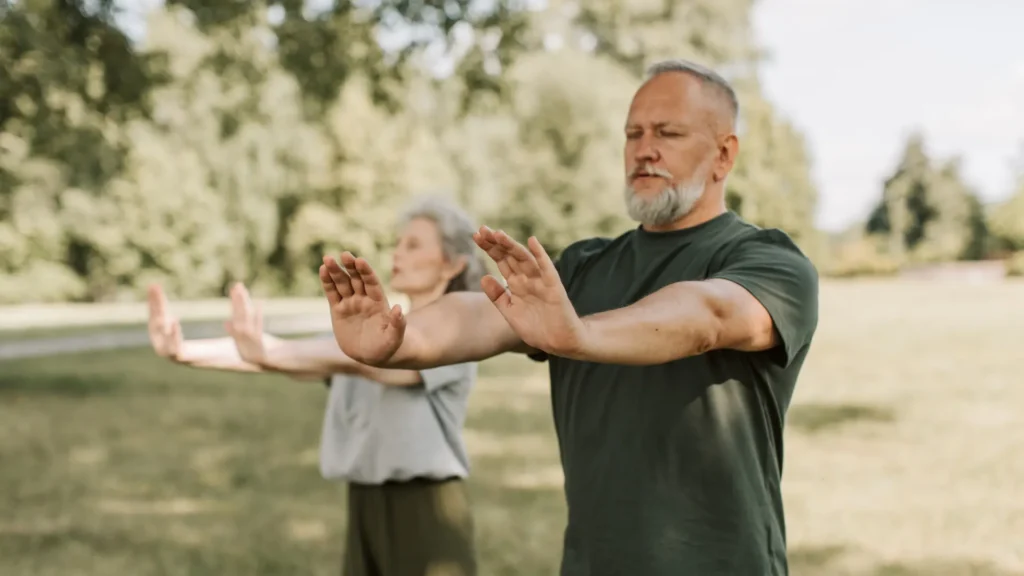
Daily routines provide structure, purpose, and a sense of control. Simple habits such as waking up at consistent times, enjoying meals together, or having scheduled activities can improve emotional stability.
Examples of supportive routines:
- Morning walks or light stretching
- Reading, music, or hobbies
- Scheduled phone calls or visits
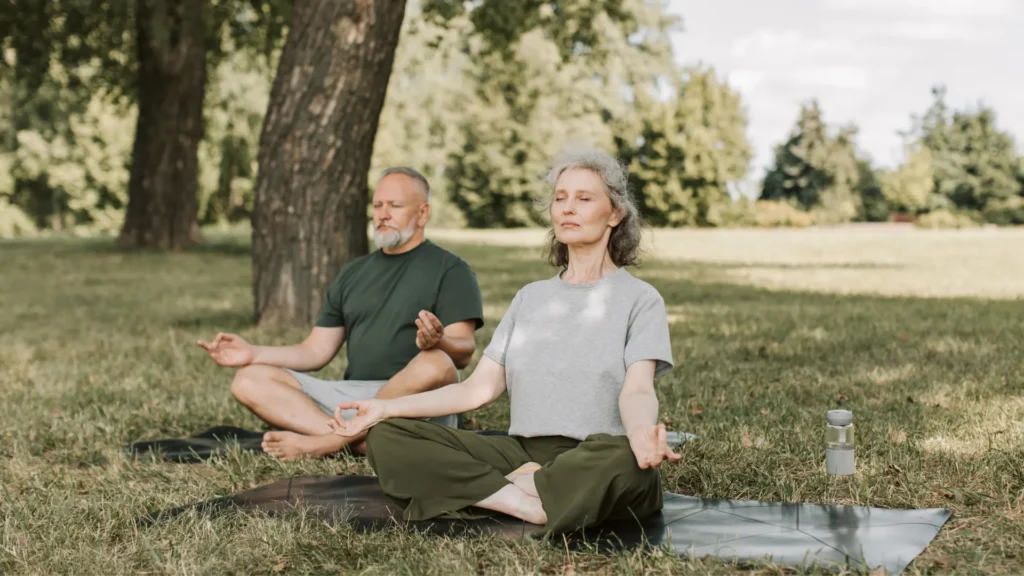
- Mindfulness or relaxation exercises
Consistency helps reduce anxiety and creates a sense of normalcy.
The Role of Social Connection in Emotional Well-Being
Staying Connected Matters
Strong social connections are one of the most powerful protectors of mental wellness for the elderly. Meaningful relationships help seniors feel valued, heard, and supported.
Ways to encourage social engagement include:
- Regular family visits or calls
- Participation in community groups
- Intergenerational activities
- Friendly interaction with caregivers
Even brief, daily social contact can significantly improve mood and emotional health.
Family Support: A Cornerstone of Mental Wellness
Family members play a crucial role in supporting emotional well-being. Listening without judgment, validating feelings, and spending quality time together help seniors feel emotionally safe.
Helpful family practices include:
- Asking open-ended questions
- Encouraging independence while offering support
- Being patient with emotional changes
- Watching for signs of emotional distress
Families do not need to solve every problem sometimes presence and understanding are enough.
Caregivers and Mental Wellness Support
Beyond Physical Assistance
Caregivers often provide more than physical care, they offer companionship, routine, and emotional reassurance. For many seniors, caregivers become a trusted presence in daily life.
Caregivers can support mental wellness by:
- Engaging in conversation
- Encouraging participation in activities
- Providing emotional reassurance
- Noticing changes in mood or behavior
A compassionate caregiver can significantly reduce feelings of loneliness and emotional distress.
When Professional Help Is Needed
Some situations require professional mental health support, such as persistent depression, anxiety, or behavioral changes. Early intervention improves outcomes and prevents further decline.
Families should seek professional guidance when:
- Symptoms last longer than a few weeks
- Daily functioning is affected
- There are signs of self-harm or severe withdrawal
Mental wellness care may involve counseling, medical treatment, or integrated care approaches.
Creating an Emotionally Supportive Environment at Home
A supportive home environment contributes greatly to emotional well-being. Simple adjustments can help seniors feel comfortable and emotionally secure.
Consider:
- Familiar surroundings and personal items
- Calm, predictable routines
- Respect for privacy and autonomy
- Opportunities for social interaction
An emotionally safe environment helps seniors feel grounded and respected.
Mental Wellness Is a Shared Responsibility
Supporting mental wellness for the elderly is not the responsibility of one person alone. Families, caregivers, healthcare providers, and communities all play a role in creating supportive systems that reduce loneliness and emotional suffering.
With awareness, empathy, and consistent support, older adults can experience emotional resilience and a sense of belonging—regardless of age or circumstance.
Mental wellness for the elderly is not optional. It is essential to living a full, meaningful life. Preventing loneliness and depression requires intention, connection, and compassionate support from those around them.
By fostering understanding, maintaining social bonds, and ensuring access to the right care, families can help older adults age with dignity, emotional strength, and peace of mind.
For families looking to support emotional well-being at home, finding the right caregiver can make a meaningful difference.
Explore trusted caregiver profiles near you at CareMatePro