Preventive Healthcare for Seniors: What Checkups Matter Most?
- What Is Preventive Healthcare for Seniors?
- Why Preventive Healthcare Becomes More Important With Age
- Aging and Increased Health Risks
- Improving Quality of Life
- Essential Preventive Health Checkups for Seniors
- Cardiovascular Health Screenings
- Diabetes Screening and Management
- Bone Health and Osteoporosis Screening
- Vision and Hearing Checkups
- Cognitive Health Assessments
- Cancer Screenings for Older Adults
- Vaccinations: A Key Preventive Strategy
- Daily Preventive Health Habits at Home
- Monitoring Health Changes
- Lifestyle Choices That Support Prevention
- The Role of Families and Caregivers in Preventive Healthcare
- Overcoming Barriers to Preventive Care
- Preventive Healthcare Is an Ongoing Process
Preventive healthcare for seniors is one of the most effective ways to protect health, independence, and quality of life as we age. While medical treatment often focuses on managing illness after it appears, preventive care shifts the focus toward early detection, risk reduction, and long-term well-being.
As people grow older, the risk of chronic diseases such as heart disease, diabetes, osteoporosis, and cognitive decline increases. Many of these conditions develop gradually and may not show obvious symptoms in the early stages. Regular preventive checkups allow healthcare providers, families, and caregivers to identify potential issues before they become serious often making treatment simpler and outcomes better.
This article explores why preventive healthcare for seniors is essential, which checkups matter most, and how families and caregivers can support preventive health routines at home.
What Is Preventive Healthcare for Seniors?
Preventive healthcare refers to medical care focused on preventing disease, detecting health problems early, and maintaining overall wellness. For seniors, preventive care becomes increasingly important due to age-related changes in the body and a higher likelihood of chronic conditions.
Preventive healthcare for seniors typically includes:
- Routine medical checkups
- Health screenings
- Vaccinations
- Lifestyle monitoring
- Early intervention strategies
Rather than reacting to illness, preventive care empowers seniors to stay healthier for longer and maintain independence.
Why Preventive Healthcare Becomes More Important With Age
Aging and Increased Health Risks
As the body ages, natural changes occur in metabolism, immune response, bone density, and organ function. These changes increase vulnerability to illness and slow recovery.
Without regular monitoring, conditions such as high blood pressure or elevated blood sugar may go unnoticed until complications arise. Preventive healthcare helps catch these silent risks early.
Improving Quality of Life
Early detection allows seniors to manage health conditions before they affect daily activities. Preventive care supports mobility, mental clarity, and emotional well-being key components of healthy aging.

Essential Preventive Health Checkups for Seniors
Cardiovascular Health Screenings
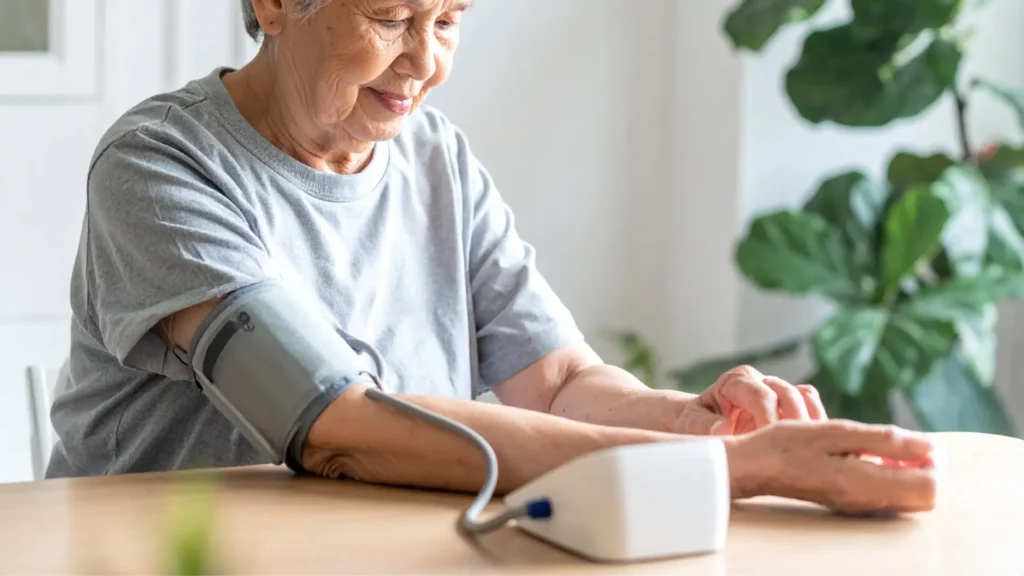
Heart disease remains one of the leading health risks among older adults. Regular cardiovascular screenings are essential for preventive healthcare for seniors.
Key screenings include:
- Blood pressure checks
- Cholesterol tests
- Heart rhythm assessments
Managing cardiovascular risks early reduces the likelihood of heart attacks and strokes.
Diabetes Screening and Management
Type 2 diabetes is common among older adults and often develops without noticeable symptoms. Regular blood sugar testing helps detect early signs and supports timely lifestyle or medical intervention.
Preventive care focuses on:
- Fasting blood glucose tests
- HbA1c monitoring
- Lifestyle counseling
Early management helps prevent complications such as nerve damage, vision problems, and kidney disease.
Bone Health and Osteoporosis Screening
Bone density naturally decreases with age, increasing the risk of fractures. Osteoporosis screenings help identify bone loss before fractures occur.
Preventive measures include:
- Bone density tests
- Vitamin D and calcium assessment
- Fall prevention strategies
Maintaining bone health supports mobility and independence.
Vision and Hearing Checkups
Changes in vision and hearing can significantly impact safety and quality of life. Preventive healthcare for seniors includes regular eye and hearing examinations.
These checkups help:
- Prevent falls and accidents
- Improve communication and social interaction
- Detect conditions such as cataracts or hearing loss early
Addressing sensory changes promptly supports independence and emotional well-being.
Cognitive Health Assessments
Cognitive decline is not an inevitable part of aging, but early signs should not be ignored. Preventive cognitive screening helps identify memory or thinking changes early.
Assessments may include:
- Memory and attention tests
- Behavioral observations
- Cognitive health discussions
Early detection allows families to plan support and interventions that preserve quality of life.
Cancer Screenings for Older Adults
Cancer risk increases with age, making appropriate screenings an important part of preventive healthcare for seniors. Screening recommendations may vary depending on age, health history, and risk factors.
Common screenings include:
- Colorectal cancer screening
- Breast cancer screening
- Prostate health evaluations
Preventive screening enables early treatment when outcomes are often more favorable.
Vaccinations: A Key Preventive Strategy
Vaccinations protect seniors from infections that can be severe or life-threatening. Preventive healthcare includes keeping immunizations up to date.
Important vaccines for seniors may include:
- Influenza vaccine
- Pneumococcal vaccine
- Shingles vaccine
Vaccination reduces hospitalization risk and supports immune health.
Daily Preventive Health Habits at Home
Monitoring Health Changes
Preventive healthcare extends beyond clinics and hospitals. Daily observation at home plays a crucial role in early detection.
Helpful habits include:
- Monitoring appetite and sleep patterns
- Noticing changes in mobility or mood
- Tracking medication adherence
Caregivers and family members often notice subtle changes first.
Lifestyle Choices That Support Prevention
Healthy habits reinforce preventive care:
- Balanced nutrition
- Regular physical activity
- Stress management
- Adequate sleep
These habits work together to reduce chronic disease risk and support overall wellness.
The Role of Families and Caregivers in Preventive Healthcare
Families and caregivers are essential partners in preventive healthcare for seniors. They help ensure that checkups are scheduled, medications are taken correctly, and lifestyle habits are maintained.
Caregivers can support prevention by:
- Accompanying seniors to appointments
- Encouraging healthy routines
- Communicating changes to healthcare providers
- Providing emotional reassurance
Reliable support helps seniors stay engaged in their health care.
Overcoming Barriers to Preventive Care
Some seniors face barriers such as mobility limitations, transportation challenges, or fear of medical visits. Addressing these barriers is critical to effective preventive healthcare.
Possible solutions include:
- Home-based care support
- Telehealth consultations
- Assistance with transportation
- Emotional encouragement and education
Removing obstacles improves access and consistency.
Preventive Healthcare Is an Ongoing Process
Preventive healthcare for seniors is not a one-time event. It is a continuous process that adapts as health needs change over time.
Regular reassessment ensures:
- Early identification of new risks
- Adjustment of care plans
- Ongoing support for independence
Consistency is the key to long-term benefits.
Preventive healthcare for seniors is one of the most powerful tools for maintaining health, independence, and quality of life. By focusing on early detection, regular checkups, and supportive daily habits, seniors can reduce health risks and age with confidence.
Families and caregivers play a critical role in this journey ensuring preventive care is accessible, consistent, and compassionate.
For families who need extra support with appointments, health monitoring, or daily routines, finding the right caregiver can make preventive care easier and more consistent.
Explore trusted caregiver profiles near you at CareMatePro