Active Aging: Why Staying Active Is the Key to Senior Wellness
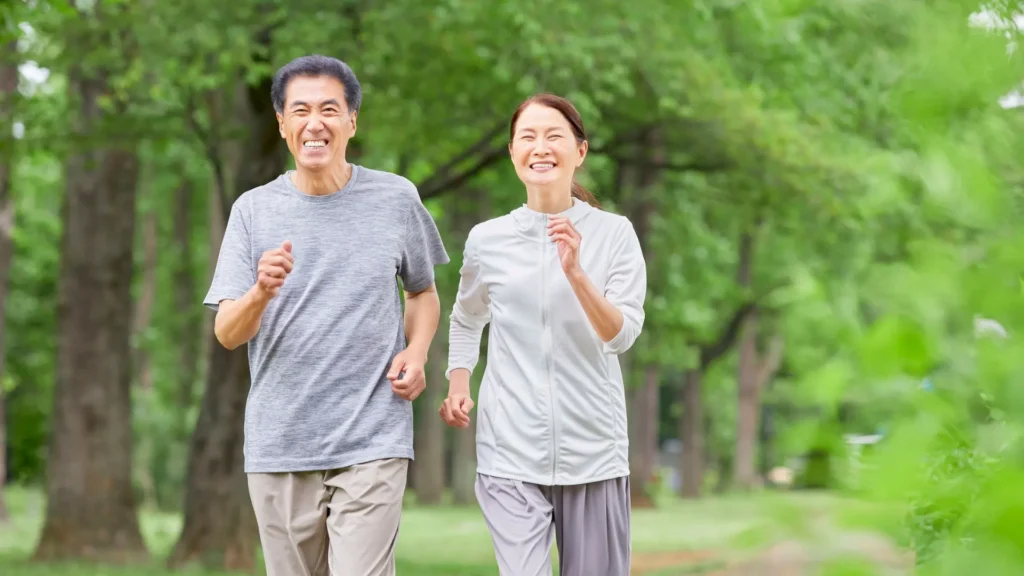
- Why Staying Active Matters for Senior Wellness
- Physical Benefits of Active Aging
- Mental and Emotional Benefits
- Reducing Fall Risk Through Active Aging
- Why Falls Are a Major Concern
- Exercises That Support Balance and Stability
- Types of Physical Activity Suitable for Older Adults
- Walking: The Foundation of Active Aging
- Strength and Resistance Training
- Flexibility and Mobility Exercises
- Making Active Aging Sustainable at Home
- Creating a Movement-Friendly Environment
- Building Movement Into Daily Routines
- Overcoming Common Barriers to Staying Active
- Fear of Injury or Falling
- Chronic Conditions and Pain
- The Role of Social Engagement in Active Aging
- Movement Is More Enjoyable Together
- How Caregivers Support Active Aging
- Active Aging Across Different Stages of Aging
Active aging is not about pushing physical limits or maintaining youth. It is about staying engaged, mobile, and independent for as long as possible. As people grow older, maintaining an active lifestyle becomes one of the most powerful ways to support senior wellness, preserve dignity, and enhance quality of life.
Research consistently shows that older adults who remain physically active experience fewer falls, better balance, improved mental health, and greater confidence in daily living. Active aging also supports emotional well-being by promoting social interaction, purpose, and self-esteem.
This article explores why active aging is essential for senior wellness, how appropriate physical activity reduces risks and improves health, and how families and caregivers can support safe, sustainable movement at every stage of aging.
Active aging refers to the process of optimizing health, participation, and security to enhance quality of life as people age. It emphasizes continued engagement in physical, social, and meaningful activities, rather than withdrawal or inactivity.
Active aging does not require intense exercise or athletic performance. Instead, it focuses on:
- Safe and regular movement
- Maintaining functional ability
- Staying socially connected
- Adapting activities to individual abilities
The goal is not to prevent aging, but to age well and with confidence.
Why Staying Active Matters for Senior Wellness
Physical Benefits of Active Aging
Physical activity plays a crucial role in maintaining body function as we age. Regular movement helps:
- Preserve muscle strength
- Improve balance and coordination
- Support joint flexibility
- Maintain cardiovascular health
These benefits significantly reduce the risk of falls, fractures, and mobility loss some of the most common causes of reduced independence among seniors.
Mental and Emotional Benefits
Active aging also supports mental wellness. Physical activity stimulates brain function, improves mood, and reduces symptoms of anxiety and depression.
Seniors who remain active often experience:
- Better cognitive function
- Improved sleep quality
- Higher self-confidence
- A stronger sense of purpose
Movement creates positive feedback between physical and emotional health.
Reducing Fall Risk Through Active Aging
Why Falls Are a Major Concern
Falls are one of the leading causes of injury among older adults. Reduced muscle strength, poor balance, and fear of movement can increase fall risk creating a cycle of inactivity and declining health.
Active aging breaks this cycle by strengthening muscles, improving coordination, and restoring confidence.
Exercises That Support Balance and Stability
Effective fall-prevention activities include:
- Balance exercises (standing on one foot, heel-to-toe walking)
- Strength training for legs and core
- Gentle stretching to improve flexibility
- Functional movements such as sitting and standing
Consistency matters more than intensity. Even short daily practice can significantly reduce fall risk.
Types of Physical Activity Suitable for Older Adults
Walking: The Foundation of Active Aging
Walking is one of the safest and most accessible forms of physical activity. It improves cardiovascular health, strengthens muscles, and supports mental well-being.
Benefits of walking include:
- Low impact on joints
- Easy to adjust pace and duration
- Can be done indoors or outdoors
Short, regular walks are more beneficial than occasional long sessions.
Strength and Resistance Training
Strength training helps counteract age-related muscle loss. Simple exercises using body weight, resistance bands, or light weights can be performed safely at home.
Benefits include:
- Improved mobility
- Better posture
- Reduced risk of injury
- Increased independence
Flexibility and Mobility Exercises
Stretching and mobility exercises keep joints flexible and reduce stiffness. Activities such as gentle yoga or stretching routines improve range of motion and comfort.
Flexibility supports:
- Easier movement
- Reduced pain
- Better balance
Making Active Aging Sustainable at Home
Creating a Movement-Friendly Environment
A safe home environment encourages regular movement. Small adjustments can make physical activity more accessible and enjoyable.
Consider:
- Clear walking paths
- Proper lighting
- Supportive footwear
- Stable furniture for balance support
These changes increase confidence and reduce fear of injury.
Building Movement Into Daily Routines
Active aging does not require scheduled workouts. Everyday activities can support movement:
- Light housework
- Gardening
- Standing and stretching during TV breaks
- Walking during phone calls
Integrating movement into daily life makes activity sustainable and less intimidating.
Overcoming Common Barriers to Staying Active
Fear of Injury or Falling
Fear is one of the biggest barriers to active aging. Seniors who have experienced falls may avoid movement altogether.
Supportive strategies include:
- Starting with supervised or assisted activity
- Using mobility aids when needed
- Encouragement from family or caregivers
Gradual progress helps rebuild confidence.
Chronic Conditions and Pain
Many seniors live with chronic conditions such as arthritis or heart disease. Active aging does not mean ignoring limitations—it means adapting activities to individual abilities.
Healthcare providers and caregivers can help identify safe movement options that support wellness without causing harm.
The Role of Social Engagement in Active Aging
Movement Is More Enjoyable Together
Social connection enhances active aging. Activities shared with others increase motivation, consistency, and enjoyment.
Examples include:
- Walking with family members
- Group exercise classes
- Community activities
- Caregiver-assisted movement routines
Social engagement adds emotional benefits to physical activity.
How Caregivers Support Active Aging
Caregivers play a vital role in encouraging safe and consistent movement. Their support often determines whether seniors feel confident enough to stay active.
Caregivers can help by:
- Encouraging daily movement
- Assisting with exercises
- Monitoring safety
- Providing motivation and reassurance
Compassionate support makes active aging achievable even for seniors with limitations.
Active Aging Across Different Stages of Aging
Active aging evolves as physical abilities change. Activities should be adjusted over time to match current health and mobility levels.
Examples of adaptation include:
- Transitioning from standing to seated exercises
- Reducing duration while maintaining consistency
- Increasing rest periods
Flexibility ensures that activity remains safe and beneficial.
Active aging is one of the most effective ways to support senior wellness. Through safe, consistent movement, older adults can reduce fall risk, maintain mobility, and enjoy a higher quality of life.
With encouragement from families and caregivers, staying active becomes not just possible—but empowering. Aging actively means continuing to live with confidence, purpose, and dignity.
For families who want extra support with daily movement, safety, and active routines at home, the right caregiver can make a real difference.
Explore trusted caregiver profiles near you at CareMatePro